News
US-Canada Trade War Deepens as Recession Fears Rise Across North America
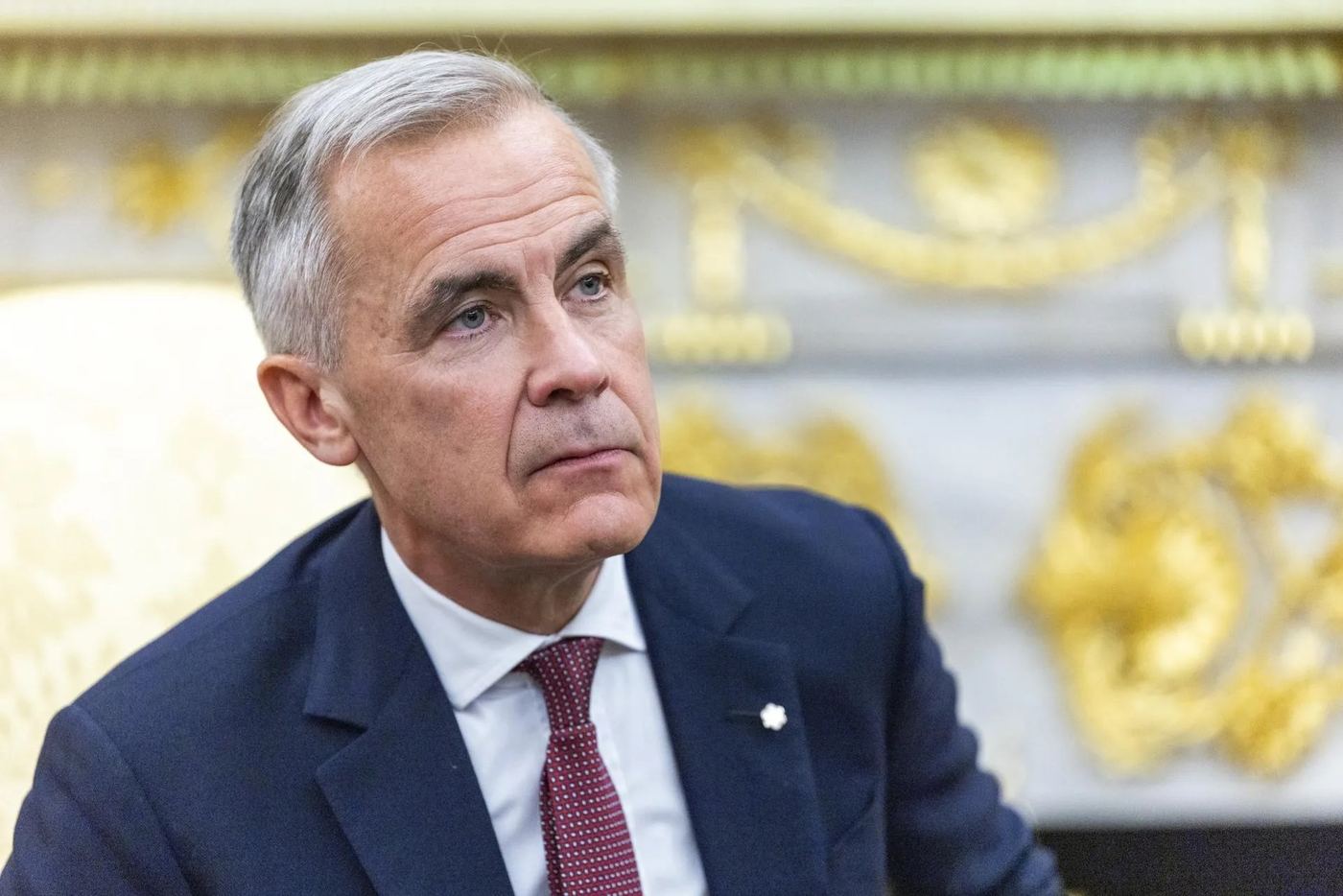
The escalating US-Canada trade war is fueling growing concerns about economic slowdown, rising prices and potential recession as tariffs continue to disrupt key industries on both sides of the border.
The trade dispute between the United States and Canada is showing few signs of easing, with stalled negotiations and reciprocal tariffs putting increasing pressure on businesses, workers and consumers across North America.
The prolonged trade conflict has disrupted supply chains in several major sectors, including automobiles, energy, agriculture and consumer goods. Business leaders and economists are warning that continued uncertainty could weaken investment, increase operating costs and threaten jobs.
US-Canada Trade Dispute Raises Recession Concerns
The latest escalation has intensified concerns about the economic consequences of maintaining tariffs through the end of the year.
Canadian exporters, particularly those in the automotive and softwood lumber industries, have reported significant declines in orders. At the same time, US manufacturers that depend on Canadian components and energy are facing higher production costs.
Consumers could also feel the impact as retailers on both sides of the border warn that increased costs may eventually translate into higher prices for everyday products.
Economists are increasingly concerned that what began as a trade dispute could develop into a broader economic problem if the uncertainty persists.
One senior economist, speaking anonymously, described trade wars as difficult to resolve once they begin, warning that prolonged disruptions could cause lasting damage to deeply integrated North American supply chains.
Mark Carney and Donald Trump Meet Amid Trade Tensions
The political and diplomatic dimensions of the dispute were highlighted by a widely circulated photograph showing former Bank of Canada and Bank of England governor Mark Carney speaking with US President Donald Trump during a “Summit for Peace” event.
In the image released by Al Jazeera English, Carney can be seen gesturing while Trump listens.
Carney, who has extensive experience in global finance, has been involved in efforts aimed at easing tensions between the two countries. However, there has been no major breakthrough in negotiations so far.
The meeting has added to speculation about diplomatic efforts to find a path toward reducing the economic tensions, although both Washington and Ottawa continue to maintain firm public positions.
Markets React as Trade Uncertainty Grows
Financial markets have also responded cautiously to the escalating dispute.
The Canadian dollar has come under pressure against the US dollar, while stock markets in Toronto and New York have experienced increased volatility as investors assess the potential economic impact of prolonged tariffs.
Some forecasts have placed the probability of a mild Canadian recession above 40 percent if the tariffs remain in effect through the end of 2026.
The potential consequences extend beyond Canada. US companies that rely heavily on Canadian supplies could face higher costs, while consumers may ultimately absorb some of those increases through higher retail prices.
Political Pressure Builds in Washington and Ottawa
The trade dispute has become an increasingly important political issue in both countries.
In Canada, the government is facing growing pressure to protect industries affected by tariffs and negotiate relief for exporters.
In the United States, the Trump administration continues to defend the tariffs as a measure designed to protect American workers and address what it considers unfair trade practices.
Despite the economic pressure, neither government has indicated that it is prepared to make major concessions in the immediate future.
Diplomatic communication between Washington and Ottawa remains open, but public statements from officials on both sides continue to signal a tough negotiating stance.
What Happens Next?
The future of the US-Canada trade relationship remains uncertain as businesses and consumers wait for negotiations to produce a breakthrough.
If tariffs remain in place for an extended period, economists warn that temporary supply-chain disruptions could become more permanent, potentially affecting investment, employment and consumer prices.
For now, businesses, workers and consumers across North America are watching closely for signs that Washington and Ottawa can reach an agreement before the economic consequences become more severe.
The longer the US-Canada trade war continues, the greater the pressure on both economies to find a resolution.