News
Iran Warns U.S. Over Strait of Hormuz as Tensions Escalate
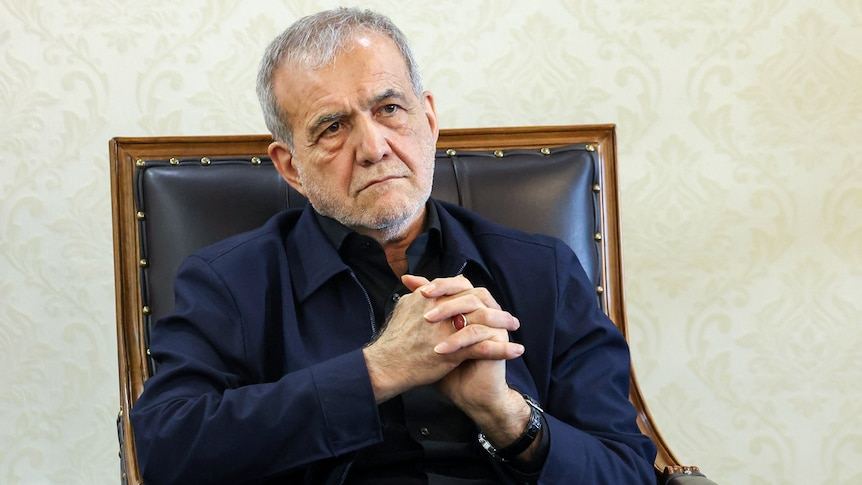
Iranian President Masoud Pezeshkian has issued a stern warning to the United States over the strategically vital Strait of Hormuz, signaling that Tehran is prepared to respond if Washington moves forward with provisions outlined in a disputed June memorandum.
Pezeshkian’s remarks come amid heightened tensions between Iran and the United States, with the Iranian government signaling that it will take measures to defend what it considers its strategic and economic interests.
Iran Issues Warning Over Strait of Hormuz
The Iranian president’s comments center on the Strait of Hormuz, one of the world’s most important maritime trade routes. The narrow waterway connects the Persian Gulf with the Gulf of Oman and is a crucial passage for international energy shipments.
Any disruption to shipping through the strait could have significant consequences for global oil markets, international trade and supply chains.
Although the exact provisions of the June memorandum remain the subject of diplomatic debate, Pezeshkian’s warning suggests that Tehran is prepared to take a tougher position if the United States proceeds with measures Iran considers unacceptable.
Rising U.S.-Iran Tensions
The warning adds another layer to already tense relations between Washington and Tehran. Both countries have repeatedly clashed over security, economic and maritime issues, making developments surrounding the Strait of Hormuz particularly sensitive.
Iran has historically emphasized the strategic importance of the waterway and its ability to respond to actions it views as threatening its national interests.
Pezeshkian’s latest statement appears aimed at deterring what Tehran could regard as unilateral U.S. action while sending a broader message about Iran’s willingness to respond.
Why the Strait of Hormuz Matters
The Strait of Hormuz is considered a critical chokepoint for the global energy market. Large volumes of oil and other energy products pass through the waterway, meaning any major disruption could affect international prices and energy supplies.
For that reason, developments involving Iran, the United States and the Strait of Hormuz are closely watched by governments, energy markets and shipping industries around the world.
A serious confrontation in the region could potentially create wider economic consequences well beyond the Middle East.
International Community Watches Closely
Diplomatic observers are expected to closely monitor the situation as tensions continue to develop. Any escalation involving the Strait of Hormuz could increase uncertainty for global shipping and energy markets.
International calls for restraint are likely to intensify as officials seek to prevent a confrontation from escalating into a broader regional crisis.
For now, Pezeshkian’s warning underscores the growing tensions between Iran and the United States and places the Strait of Hormuz once again at the center of international attention.