Lifestyle
Want to Lose Weight? Why Boycotting Bread Could Help You Cut Calories
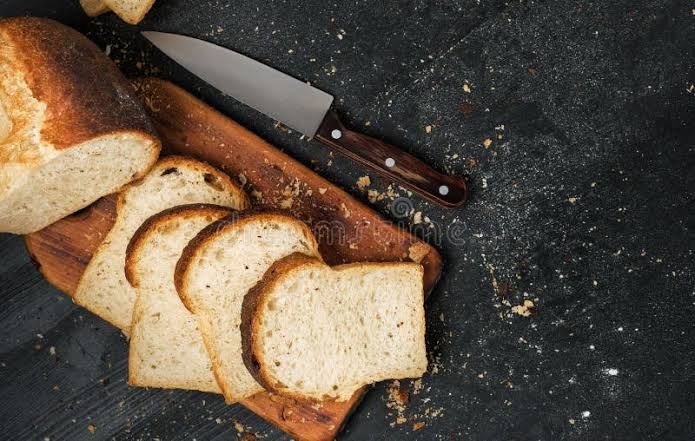
If you’re trying to lose weight, one of the easiest places to start may be sitting right on your breakfast table: bread.
Bread is a staple food for millions of people, but it can also become an easy source of extra calories, particularly when several slices are eaten with butter, spreads, eggs, processed meat or sugary drinks.
That doesn’t mean bread is inherently “bad” or that everyone needs to eliminate it to lose weight. However, reducing or temporarily cutting out bread can make it easier for some people to control their overall calorie intake.
Why Cutting Bread May Help With Weight Loss
1. It Can Reduce Your Daily Calorie Intake
Weight loss generally happens when you consistently consume fewer calories than your body uses.
Bread can add up quickly. A person who normally eats four or five slices throughout the day could significantly reduce their calorie intake by replacing some of those slices with lower-calorie, nutrient-rich foods.
The biggest benefit comes when you replace bread with foods that keep you full rather than simply replacing it with another highly processed snack.
2. Bread Often Comes With High-Calorie Extras
For many people, the bread isn’t the only issue.
Think about a typical sandwich or breakfast: bread may be combined with butter, mayonnaise, cheese, sausages, bacon, chocolate spread or other calorie-dense toppings.
Cutting back on bread can therefore reduce the opportunity to consume several additional calories at the same time.
3. You May Become More Conscious of What You Eat
A short-term “bread boycott” can also be useful as a behavioural experiment.
Instead of automatically reaching for bread whenever you’re hungry, you may start choosing alternatives such as eggs, vegetables, beans, fish, chicken, fruit or other filling foods.
This can encourage more intentional eating and help you recognise whether you’re eating because you’re genuinely hungry or simply because bread is convenient.
What Can You Eat Instead?
Removing bread doesn’t mean you have to survive on salads.
Depending on your preferences, you could build meals around:
* Eggs and vegetables
* Beans
* Grilled or boiled chicken
* Fish
* Lean meat
* Oats
* Potatoes or sweet potatoes
* Rice in sensible portions
* Fruits and vegetables
* Greek yoghurt or other protein-rich options
The goal is not to eliminate carbohydrates completely. It’s to create meals that provide enough protein, fibre and nutrients while keeping your overall calorie intake under control.
Don’t Replace Bread With Another Calorie Bomb
This is where many weight-loss attempts go wrong.
If you stop eating bread but start eating large portions of fried foods, pastries, sugary drinks or snacks instead, you may not lose weight.
The important question isn’t simply, “Did I stop eating bread?”
It’s “Did my overall eating pattern improve?”
How Long Should You Boycott Bread?
There is no medically required period for avoiding bread.
Some people may prefer to reduce their intake gradually rather than eliminate it completely. Others may find that taking a short break helps them reset their eating habits.
And if you enjoy bread, you don’t necessarily have to give it up forever. Once your diet is under control, you may be able to reintroduce reasonable portions while still maintaining your weight-loss goals.
The Bottom Line
Boycotting bread can help with weight loss if it leads you to consume fewer calories overall — but bread isn’t automatically responsible for weight gain.
Your overall diet, portion sizes, physical activity, sleep and eating habits all matter.
If you’re considering a major dietary restriction, particularly if you have an underlying health condition or take medication, speak with a qualified healthcare professional or registered dietitian first.
For sustainable weight loss, think less about completely banning one food and more about building an eating pattern you can actually maintain.